




Edwards Chevrolet Downtown

Blog / Sell My Car

Quick, Easy, Convenient: Sell Your Car or Trade It In?

A car salesman is shown handing car keys to customer.

Are you faced with the common dilemma of selling your car or trading it in? If you’ve been Googling ‘sell my car’ and have yet to come up with a solution, we’re here to tell you it's easier than you think. While many car owners grapple with the idea of selling versus trading in, both have their pros and cons. The good news is that when you work with a great dealership, either option has its rewards; it’s all a matter of what works for you.

Learning about the pros and cons of both selling and trading in can make it easier for you to decide which road fits your needs. Asking yourself a few questions can also help. For instance, what do you want to get out of selling your car? Do you want money to save? Or do you want to upgrade your vehicle to a newer model that suits your life better? Do you owe anything on your auto loan, or is it paid off?

Whether you’re looking to get the most from your car or you just want a streamlined way to change up your ride, we’ll be looking at both options so you can avoid any bumps in the road...

Selling Your Car

Do you think you want to sell? This is perfect for those who need the money or simply don’t drive enough. Whether you have an extra vehicle you no longer use or you moved closer to work and no longer drive as often, selling can be a great way to free up space in your garage while putting some money in your wallet.

Selling your car, though, isn’t as straightforward as you might think. Do you sell it yourself or go with a dealer? Selling it yourself might yield the largest profit but it can take longer and often be stressful. When you sell the vehicle yourself, it’s all on you; you have to market and advertise your vehicle; you have to coordinate with potential buyers and hope they show up—and if they don’t like your price, they may try to haggle; then, when you do sell, you have to handle the paperwork. If your life is always busy, that’s a lot to take on.

So, how about selling to a dealer? It’s true that dealers pay wholesale prices rather than retail. That can be a downside for some buyers who want to maximize profit, but the convenience of selling to a dealer more than makes up for it. Selling to a dealer is quick and easy and is often the preferred method for drivers. When you’re ready to sell, take your vehicle to the dealer. Once there, they will look it over and offer you a fair price. If all sounds good, sign on the dotted line and get cash in the bank the same day!

Selling your car to a dealer is quick and convenient. Selling it yourself can take months of your time and effort and you may still not get the price you were after. If you want to take the stress out of selling, the dealership will handle the paperwork so you can relax and let them do what they do best.

A row of white cars are shown parked at a car dealer.

Trading In Your Car

So what about trading in? Trading has lots of pros; for one, it's easy. Take your vehicle to a dealer and find out how much it’s worth as a trade-in. Rather than getting money in your pocket, you use the money to upgrade your vehicle; this is one smooth transaction that can be completed in the afternoon. If you’re seeking instant results, trading is a great way to do it.

If you still owe money on your auto loan, trading in for a new ride might be easier. If you wish to sell, you have no choice but to pay off the existing loan beforehand. What if you don’t have the money? In this case, selling isn’t really an option, but when you decide to upgrade, the trade-in value can go towards paying off the existing auto loan. A balance can even be applied to your new loan for your new car so you can upgrade without breaking your budget.

When you trade in, the dealer does the paperwork; this is a big plus. If you’re selling your vehicle yourself, it's all on you, which can quickly get overwhelming. If you’re seeking less stress and more reward, trading in has its benefits.

Are there any cons to trading in your vehicle? Like selling, when you work with a dealer, they offer wholesale prices as opposed to retail. This means you would likely get more from selling privately. How do you decide what to do? Knowing the value of your car can help you make up your mind. The difference might be a few hundred or a few thousand dollars. If you simply want to upgrade, trading is a smart move to minimize anxiety and hassle. But if you’re not in a rush and have the ability to sell your vehicle yourself, you can end up pocketing more depending on the age and condition of your model.

What to Consider

We’ve touched on the pros and cons of selling or trading in your vehicle. So, how do you know which is right for you? Let’s recap...

Selling your car gives you money that you can save for a rainy day or put toward a new ride. Selling your vehicle yourself might get you the largest profit, but it can come at the expense of your time, and you might not get top dollar. Being realistic when you’re calculating a value for your car can help you know where it should be fairly priced.

Selling yourself means more cash, but it means investing in marketing to find the right buyer. You also have to schedule a time to show the car to the potential buyer and hope they show up. They may want to look at the car several times before deciding to purchase and, even then, might want to haggle over price. Then comes the paperwork, which you are responsible for ensuring is in order for a smooth transition. Sounds like a lot of work for a couple extra bucks, right? Also, if you owe money on your car, you need to pay off the loan before it can be sold; if you aren’t in a position to do that, you might have to wait to sell.

Selling to a dealership is fast and convenient; it is ideal for drivers who don’t have a lot of time. Maybe you’re moving across the country, or you just need more space in your driveway. Take your car to the dealer and get cash the same day. Many drivers prefer to sell to a dealer because they streamline the process, do the car inspection, and calculate a wholesale value. You can leave with a check in your pocket that same day and be on your way; there's no waiting around or wondering when your car will sell. That peace of mind is often priceless to drivers who need to sell and don’t want to mess around. The biggest con is the dealerships offer wholesale pricing rather than retail.

Then, there is trading in your vehicle. This is often done by drivers who wish to upgrade their ride. Trading in is like selling your vehicle and buying a new one all at once, but a single clean transaction helps keep things simple. The dealer handles all the paperwork, so the transition from one vehicle to the other is easy and can get wrapped up in a matter of hours. Drivers can also potentially save on sales tax if they are trading in rather than straight-up selling.
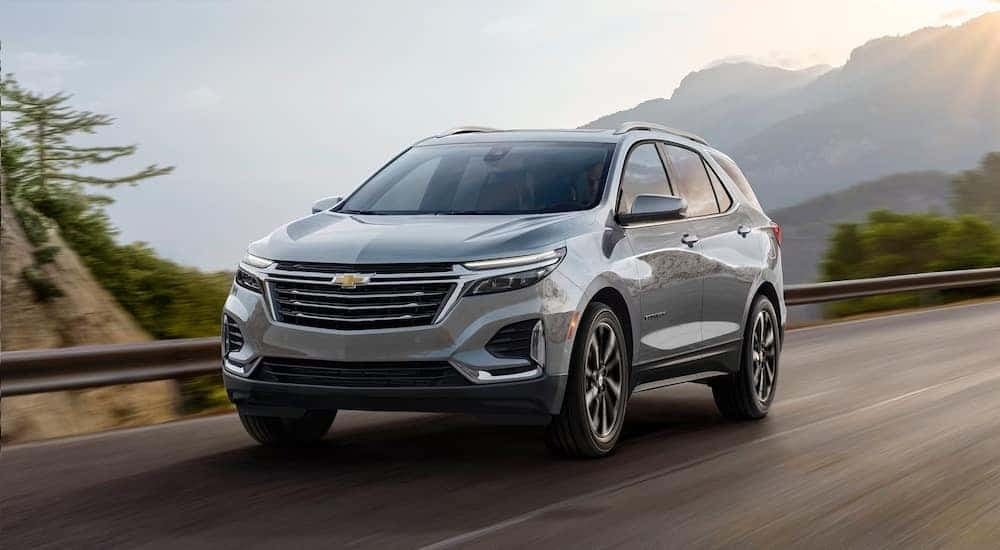
A grey 2024 Chevy Equinox is shown driving after searching for "sell my car" on the internet.

Trading in is great for someone who might still owe a little on their car loan. Depending on the trade-in value, that amount can pay off your car loan and leave you free to trade up. However, if you are inverted in your loan and owe more than the trade-in value, you can see about transferring that amount to a new auto loan so you can still get into a new vehicle without spending a small fortune you might not have.

Trading in also means you might not get top dollar for your vehicle, but if you’re going to be getting behind the wheel of a new dream car, that might be alright with you.

Whatever choice sounds good, doing your research and having realistic expectations is a smart way to get the most from your car-selling experience. Working closely with a trusted dealer means a fast and easy way to upgrade your drive or make some extra money from an underused or outdated ride, whereas selling yourself can take more time but may yield slightly more profit.

Regardless of the path you choose, the goal is often the same: to sell a car quickly, conveniently, and simply. By taking the additional time at the start to research and plan your strategy, you’ll find it's easier to navigate the world of auto selling and trading with confidence.

Posted in:

Related Posts

A couple are shown speaking to a car salesman at a dealership after searching "sell my car."

How to Prepare Your Car for Sale

Many articles detail the difficulty of shopping for a new car. Understandably, browsing a vast range of makes and models and choosing just one can seem complicated. But what about the opposite end of the equation? If you have finally said to yourself, “I’m going to sell my car,” you might be wondering the best way to go about the process. Well, get out your notebooks. Car selling class is in session. Selling your car to us here at Edwards Chevrolet Downtown may be one of the best choices you can make this year. Today, we will go over the step-by-step process of preparing your vehicle for sale. more Dress Your Car for a Successful Sale You wouldn’t go to a job interview in a Hawaiian shirt and board shorts. The same analogy can be made about selling your car without making it appear presentable. You never get a second chance to make a first impression. This is why this first step is crucial before you bring your car to us for a successful sale. This doesn't mean having a fresh coat of paint, but having your vehicle detailed and thoroughly cleaned is essential to get it ready for a sale. Vacuum all of the upholstery, and be sure that if any spots are noticeable, have them promptly removed. Once things have been cleaned, vacuumed, and detailed, we advise going over the vehicle with a fine-toothed comb. You might have some essential personal items you forgot about, so taking the time to ensure they’re removed makes all the difference. Think about the last time you visited our dealership. The cars on the lot and in the showroom all look pristine. Presentation is vital with any sale. A little extra work goes a long way. Pre-Sale Inspection Before you take your vehicle to sell it to us, you should have it thoroughly checked by a mechanic. This is an excellent way to help ensure you get the best offer for your vehicle or at least know if anything is wrong that will bring down the value. Getting any car ready for the showroom requires a little bit of legwork. Aside from making your vehicle look presentable, having it up to date with repairs and maintenance is just as imperative. When we see someone bring a vehicle in to sell, and they have receipts from their mechanic showing us that everything is up to date (or, better yet, have used our service center to maintain their vehicle), we’re more willing to make them a better offer because they’ve taken the initiative to ensure that they’re selling us a well-maintained car. A vehicle is only as good as the amount of care that’s gone into it. Gather Up All the Necessary Documentation If you have purchased a car and registered it in your name, you are probably familiar with some of the paperwork involved. If you want to sell the same vehicle, then having that paperwork is necessary. One of the advantages of selling to a dealership and not undertaking a private sale is that the team here at Edwards Chevrolet Downtown can assist you with completing the necessary paperwork to ensure that everything goes smoothly. Any other documentation you might have, such as repair receipts, is also helpful and can determine a final offer. However, you don't have to worry about obtaining a CARFAX vehicle history report or other third-party documentation––we can handle that ourselves when we inspect your car. Understand the Market Value One of the advantages of working with Edwards Chevrolet Downtown is that you can either trade in your old vehicle for a newer model or sell it to us for cash. However, before you make either decision, you must take the time to fully understand the current market value of your car. This will give you an idea of how much you might make if you sell it to us. All vehicles go through a process known as depreciation, in which their resale value decreases over time. It’s relatively easy to find out your car's current value. Market values are listed by publications such as Kelley Blue Book, and we have a KBB value your trade tool here on our website. Resale value is based on many factors, but the most important one is demand—is it a car that other drivers will be interested in buying? The values listed by KBB indicate the ballpark value of your vehicle, but it’s also important to remember that other factors will impact resale value. A major repair after an accident can lower the resale value of a vehicle. Other items aren't always discussed, such as whether or not you’ve got a paint job that replaced the original and whether or not you used OEM parts during any routine maintenance or repairs. You should also take into account whether your vehicle has negative or positive equity. If you own your vehicle outright, you will get the full market value when you sell your car. However, if you’re still paying off a car loan, some of the money will go to your lender. If the amount that you still owe is higher than the current value of the vehicle, you have what’s known as negative equity. Understanding this will allow you to tell whether or not selling your vehicle is feasible. Advantages of Selling to Us Instead of a Private Sale Many drivers wonder if a private sale is easier and more advantageous than selling to a dealership. While some have opted to go this route, it’s a much longer process than many realize. Selling to a dealership provides a quick turnaround and can all be done within a few short hours, sometimes quicker. You do much more work with a private sale, such as advertising, gathering paperwork, and determining value. Regarding the price you’ve set, there’s a good chance that even if it’s fair, you’ll still deal with customers who attempt to lowball you and underbid your asking price by a considerable amount. Dealing with potential buyers, besides the ones who are trying to lowball you, can also present a considerable level of danger. Thieves and scammers are known to case ads in publications such as Craigslist, so if you decide to sell your vehicle in a private sale, always be sure to meet any potential buyers in a public location. A Better Way to Buy (and Sell) at Edwards Chevrolet Downtown Choosing to sell a vehicle can sometimes be challenging. Some people do so for the chance to upgrade their lifestyle, while others simply want to obtain something with more storage options or better fuel economy. There’s no wrong reason to sell a vehicle, but when you feel you’re ready and want the best offer, we invite you to see us at Edwards Chevrolet Downtown. We have a wealth of experience when it comes to buying and selling cars. Whether you want to trade in for a new car or sell for cash, we’ll make you the best offer we can. With a team that will help you understand your options, complete transparency in every transaction we take part in, and the necessary expertise to guide you, there’s a reason why so many continue to shop and sell with us.

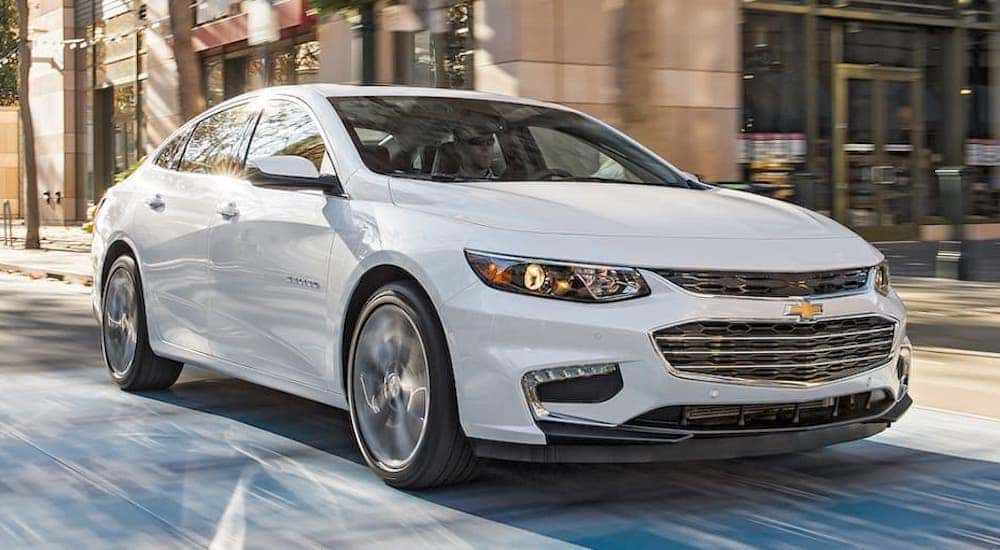
A white 2016 Chevy Malibu is shown from the front at an angle.

All About Resale Value: How It’s Determined and Why It Matters

Buying a new vehicle typically means considering many different factors: the make and model you want, safety and convenience tech, fuel economy, and—quite obviously—cost. You'll likely find yourself googling “ sell my car” to find out how much you can get for your current ride. more A lot of people don’t often think about their vehicle’s resale value until it's time to sell it. Resale value is helpful to know since it tells you how much money you can reasonably expect to get for your used vehicle when you go to sell it. You not only want to know your current vehicle’s resale value but also how well your new purchase will likely retain its value. This is certainly a critical consideration since resale value significantly impacts the long-term cost of owning a vehicle. Before you come to Edwards Chevrolet Downtown, get familiar with how resale value is determined and why it matters. What Is Resale Value? Resale value—also referred to as residual value—is a vehicle’s future estimated worth. When you go to sell your car a few years down the road or decide it's time to trade it in, you will be given an estimated value. You will see resale value expressed as a percentage of your auto’s original cost. This percentage lets you know the amount of money you can expect to recover when you go to sell the vehicle. For example, if you purchase a Chevy for $30k and it has a resale value of about 60% after three years, you can expect to get around $18k should you sell it or trade it in down the road. Which Factors Play Into Resale Value? Now that you know what resale value is, it's time to dig in and learn about different factors that help determine it. Vehicle-specific factors and external factors comprise two primary groups and have their own sub-group factors that also warrant some discussion. Vehicle-Specific Factors There are multiple factors specific to a particular vehicle that influence its resale value. First and foremost, the make and model are key since some vehicles are known to retain their value better than others over time. For example, Chevys are known to have strong resale value. Your car’s overall condition—as well as how many miles are on its odometer—has a high influence over resale value. Regular service and maintenance (and going the extra mile to keep your vehicle in good shape) leads to a higher resale value. The features and options equipped on your vehicle also impact its resale value. If your car has popular features, it could rake in more cash on the used market. Its age is further influential since newer vehicles have higher resale values. Of course, depreciation varies among models, so this might be truer for some vehicles than others. Finally, and quite surprisingly, the color of your vehicle can affect resale value. More buyers like neutral tones, so those usually fetch a higher price at the time of resale. Flashier colors are not as universally appealing, so those vehicles might have lower resale values. External Factors Let’s switch to discussing external factors since those can also be pivotal. One significant suggestion is to pay attention to the economy since it seriously impacts resale values. When there is an economic downturn, prices for used cars tend to drop as buyers must be more mindful of their budgets. Fuel prices also warrant consideration since rising costs make fuel-efficient vehicles more attractive, thereby increasing their resale value. What is the market demand for a certain vehicle on the used market? That can be a huge factor. Keeping with the fuel-efficient trend, if hybrids are in high demand when you sell a used one, you might find it will have retained its value better than less-efficient models. You can also potentially get a better resale value based on equipped technology and safety features since How Is Resale Value Determined? Here’s where math gets involved. Industry experts can provide you with exact estimates based on complex calculations. Methodologies can vary between different financial institutions, but there are a few core concepts about resale value determination that you should know. First, experts collect huge piles of data, including info on auction results, historical sales, and market trends. Information specific to every single vehicle—by make, model, trim, and options—can even be considered. Experts will analyze the automotive market at large, factoring in economic statuses, supply and demand, and fuel costs. An expert then takes a specific vehicle into account, noting its mileage, condition, age, and equipped features. Historical resale values might also get factored in, depending on the vehicle. Future projections are then made about how a car’s value will likely alter over time. Experts also look at a vehicle’s residual percentage, which is then utilized to calculate its future value after a certain number of years or miles. Resale value information usually gets pushed on an annual or semi-annual basis and is distributed to dealerships like ours and consumers alike. Of course, different places use various methods and criteria to determine resale values, so it's important to check out at least a few sources for resale values to find the average estimate. Why Does Resale Value Matter? Resale value has a lot of power for someone looking to buy a car and sell their current one. Resale value matters because it impacts an auto’s overall ownership cost. Vehicles with high resale values tend to have smaller depreciation costs, which makes them cost-effective over time. You also must consider a vehicle’s financial flexibility when you go to sell or trade your vehicle; this means you get more equity toward your next vehicle, which might lower your monthly payments. There are bonuses to making the right upgrades on a vehicle, too. Making regular upgrades lets you get more value from it if the updates are things that buyers want—especially tech or safety features currently in demand. Knowing a vehicle’s resale value is important if you’re shopping on a budget. You'll know approximately how much you can recover when you go to sell, and you get some peace of mind knowing that your investment will hold its value over time even as you tack on the miles. Owning something with solid resale value can give you a lot of confidence when you go to offload it. If you know your vehicle has reduced depreciation, you can rest assured that you'll have a higher resale value and will have a lot less money over time. Valuation at Edwards Chevrolet Downtown So, how does resale value apply when you buy from Edwards Chevrolet Downtown? Chevy is a long-established and reputable brand known for delivering strong resale values, making Chevy a wise investment. There are many great models to choose from here at our dealership, ranging from compact cars to full-size SUVs, and you're sure to get a high resale value from your choice. Chevy pads their vehicles with advanced infotainment and safety tech. These beef up your ownership experience and will make your vehicle more attractive on the used auto market. Chevy has fuel-efficient models, too, with hybrids and all-electric options like the Bolt; whenever gas prices are on the rise, you can bet these vehicles will show higher resale value. Moreover, Chevy is known for creating durable and reliable vehicles that can work well for many years. Carefully Consider Resale Value When You Shop for Your Next Vehicle Should you have any questions or need more clarification on resale values, our team of seasoned professionals can help you. Choosing a Chevy from Edwards Chevrolet Downtown means you get something truly capable and innovative that also sets you up for a high resale value down the line. No matter what kind of vehicle you're looking for, we have a solid choice for your present and future needs.

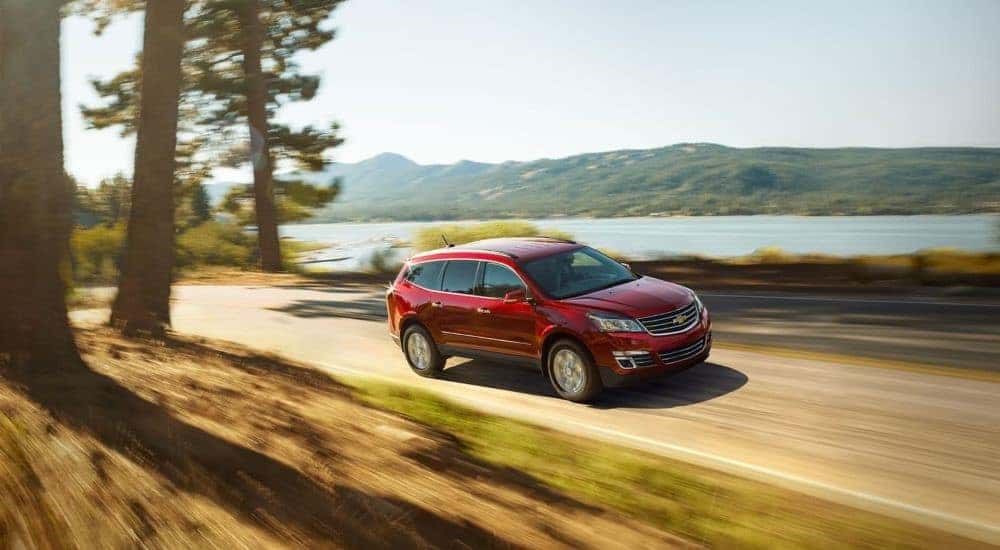
A red 2017 Chevy Traverse is shown passing a lake on the way to 'sell my car'.

Should You Sell Your Vehicle or Wait? We Have the Answers

Have you been recently thinking, “Should I sell my car?” If so, know this: millions of drivers have the same thought. Is there any reason these millions of drivers have this collective thought? Yes, and that is because every year, millions of different drivers face the same dilemma, but it’s almost always for the better. Selling your car can be something you do to achieve different goals. For example, most households have as many vehicles as there are licensed drivers, and it is these people who own one vehicle each who sell their car in hopes of upgrading. However, selling a car does not always mean they are upgrading, but perhaps there is a car going unused in your driveway, and you figure if nobody will be driving it in your household, you may as well get some extra cash for it. more Mind you, the discussion we will be having is not for those classic car collectors out there, and that is because there is an entirely separate list of criteria to consider before selling an antique. No, this discussion concerns whether you should sell your current vehicle and upgrade to a better one or save money. Are there any pros or cons to either approach? We have the answers for you, so let’s get started. Who Should You Sell To? Let’s say you decide you will be selling your car. This opens an avenue of fresh questions to ask yourself – namely, who should you sell your car to? You have options; there’s no doubt about that. The real question is: Which is the best car-selling method? Private Selling Have you ever driven down the road and noticed a parked vehicle on somebody’s lawn with a ‘For Sale’ sign on its windshield? Similarly, have you ever been browsing online, whether that be eBay, Facebook Marketplace, Craigslist, etc., and have seen the automotive section and its hundreds, if not thousands of listings in your area alone? These folks have all decided to sell their vehicle privately, meaning they do not want to work alongside an automotive dealership. Why do people prefer to do this? There are a few reasons, but the main draw is naming your price. However, that does not mean the grass is always greener. Selling a vehicle privately comes with stipulations you regularly would not have to worry about if you were to trade in or sell your vehicle conventionally at an automotive dealership like ours. When you sell your car privately, you must consider local laws surrounding what happens if the seller reaches out to you shortly after the purchase because of an undisclosed flaw that leads to an inoperable vehicle. Additionally, selling a vehicle means you must forge a bill of sale to solidify the purchase, which must then be signed by both parties. If you do not like visiting the Registry of Motor Vehicles, you won’t do too well with selling your car privately. When selling a car privately, the buyer may also ask that you create a CarFax report for the vehicle. While this is a menial task, it is undoubtedly a nuisance when the alternative does not require any of the things we just mentioned – that alternative: selling your car to a dealership. Selling to a Dealership When you sell your car to a dealership like ours, the experience is different because it is quick, effortless, and best of all, you won’t hold any more responsibility for the vehicle the moment you hand us the keys, and we hand you your money. No CarFax report is necessary, and we will not call you a week later because of an issue we found. When you hand us the registration and keys, you never have to think about that vehicle again unless you want to remember the good times because we know the car you drove can contribute to some of the best memories of your life. That’s what selling a vehicle to a dealership like ours can do for you. Dealerships often utilize accurate and up-to-date pricing to ensure you are getting as much money for your vehicle as possible within the current market climate, and our dealership gives you two ways of trading in your car: you can get cash or trade credit. That’s right, if cash is all you need – perhaps a vehicle at home already belongs to you, and you are looking for extra spending money – we do not tell you that you can’t take the money we gave you and spend it elsewhere. However, if you plan on driving another vehicle in its place and have not purchased one yet, we encourage you to look at our selection. Selling your car to a dealership is a great first step to getting behind the wheel of your next vehicle. Something exciting that many people do when they sell their vehicle is upgraded to a brand-new one, which many find themselves doing for the first time after acquiring financial assistance in the form of trade-in credit or working alongside a financial expert to find a loan with low monthly payments. And, not to mention, you can get money the same day you are reading this if you bring your car down to our dealership, while if you were to sell your vehicle privately, there is no clear indication of when you will find a buyer. There is also always the possibility that you may have to give the money back if the vehicle decides to act up shortly after selling it; if an undisclosed issue arises, even if it did not occur when you were selling it, the seller might not believe your story. Why Should You Sell Your Car? Now, the question you likely want a clear answer to: Why should you sell your car? You should sell your car because of two reasons. Firstly, the automotive industry is one of the fastest-evolving industries mankind has conceived, and in the tech world, automotive manufacturers are often at the forefront of partnerships. An example that comes to mind is Apple CarPlay and Android Auto, in which automotive manufacturers and companies like Apple and Google work together to ensure their respective software plays nicely with the infotainment centers automotive manufacturers have developed. That’s one example, but that’s only the tip of the iceberg. The stark evolution we have seen in automobiles within the past decade makes selling your current car a great opportunity to usher into the present with modern technology, safety features, and more. The second reason selling your vehicle is a great idea is because it allows you to try something new. Trading in a sedan and swapping to the SUV lifestyle because of a newborn baby on the way? Trading in a mid-size pickup truck for a full-size truck? When you trade in your current vehicle, you can take a step back and think about what type of experience you want to have next. However, even if you want to upgrade to a newer variant of the same model you were driving, that’s not bad either. You can get a fresh set of features and a newer engine, and everything will be generally newer than what you were previously driving. Time for the Next Chapter in Your Life Many newer model years are leagues beyond their predecessors, so it is worth heading to the dealers anyway - if nothing but to explore what the current automotive market looks like and also get some time to operate any vehicle you find on our lot. Our test drives are facilitated by one of our sales members who can show you the hottest new features and help you better understand what type of automotive experience you think you would be looking for. Much like vehicles, we as people and drivers are ever-evolving, so you should sell your old car and branch out into something newer – you won’t regret it.